


Understanding osteoarthritis of the knee and hip
Osteoarthritis is one of the most common causes of joint pain, especially in the knee and hip. Often referred to as “wear-and-tear” arthritis, osteoarthritis develops over time as the protective cartilage within the joint gradually breaks down. As the cartilage wears away, bones begin to rub against one another, leading to pain, stiffness, swelling and decreased mobility.
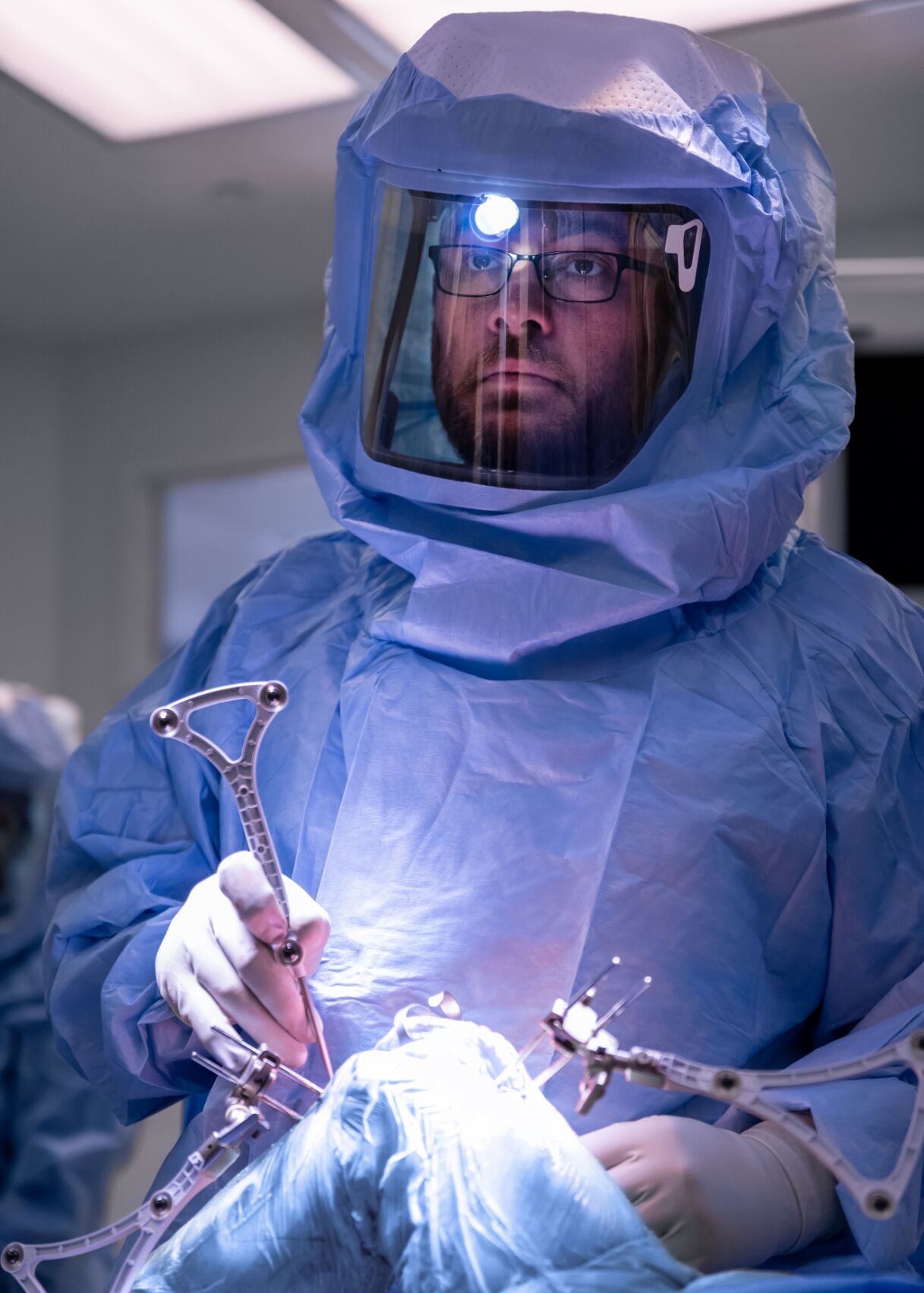
Dr. Chad Thurman of McLeod Orthopaedics says osteoarthritis cannot be reversed, but many treatment options can help reduce pain and improve function.
Although osteoarthritis is more common with age, it can affect adults of all ages and activity levels. Understanding the symptoms, risk factors, and treatment options can help patients manage their condition and maintain an active lifestyle.
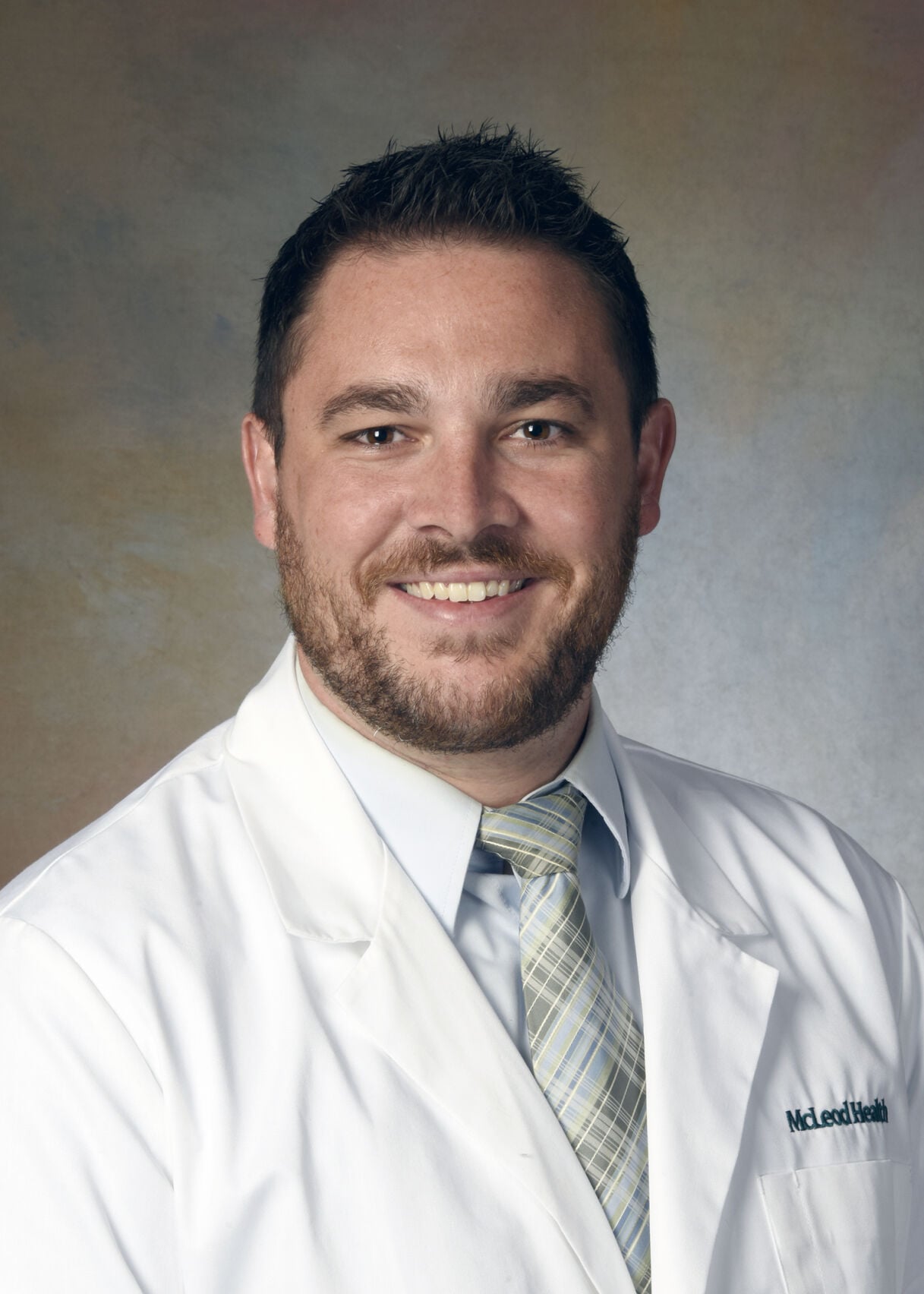
Thurman
What causes osteoarthritis?
Healthy cartilage allows joints to move smoothly and absorb shock during movement. With osteoarthritis, this cartilage slowly deteriorates. Over time, the joint may become inflamed, painful and less flexible.
Several factors can increase the risk of developing osteoarthritis, including:
• Aging
• Previous joint injuries
• Excess weight
• Repetitive stress on the joints
• Family history of arthritis
• Joint deformities or alignment issues

Donna Isgett, President and CEO of McLeod Health, has been recognized by Becker's Hospital Review as one of the "Women Hospital and Health Sys…
The knee and hip are especially vulnerable because they are weight-bearing joints that experience significant stress throughout daily activities.
Common symptoms of osteoarthritis
Symptoms of osteoarthritis usually develop gradually and may worsen over time. Common symptoms include:
• Joint pain during or after activity
• Stiffness, especially in the morning or after sitting
• Swelling around the joint
• Decreased range of motion
• Grinding, clicking, or popping sensations
• Difficulty walking, climbing stairs, or standing for long periods
Some patients may notice that weather changes or increased activity can make symptoms worse.

The McLeod Health Foundation has received two grants from the Duke Endowment that total to $1,035,000 over the next two years for two programs…
Osteoarthritis of the knee
Knee osteoarthritis commonly causes pain while walking, standing, kneeling, or climbing stairs. Many patients experience swelling and stiffness that makes movement difficult. As the condition progresses, the knee may feel unstable or begin to bow inward or outward.
Simple daily activities such as getting out of a chair, grocery shopping, or exercising may become increasingly difficult due to pain and decreased mobility.

McLeod has opened an Occupational Health facility in Hartsville, working with employers for work-related healthcare needs, such as preventive …
Osteoarthritis of the hip
Hip osteoarthritis often causes pain in the groin, outer hip, buttock, or thigh. The pain may worsen with walking or prolonged activity and can eventually occur even at rest. Many patients also experience stiffness that makes it difficult to bend, put on shoes, or get in and out of a vehicle.
Some individuals may develop a limp as they try to avoid putting pressure on the painful joint.
Treatment options
While osteoarthritis cannot be reversed, many treatment options can help reduce pain and improve function. Early treatment may also help slow progression of symptoms.
Common treatment options include:
• Activity modification
• Weight management
• Physical therapy and exercise
• Anti-inflammatory medications
• Joint injections
• Assistive devices such as braces or canes
For patients with severe arthritis that significantly affects quality of life, joint replacement surgery may be considered. Knee and hip replacement procedures can help relieve pain, restore mobility and allow many patients to return to activities they enjoy.
If joint pain, stiffness, or mobility issues are interfering with your daily life, an orthopedic evaluation can help determine the cause of your symptoms and identify the treatment options that may be right for you.
Dr. Chad Thurman cares for patients at McLeod Orthopaedics in both Florence and Hartsville. Dr. Thurman specializes in hip and knee surgery. To schedule an appointment, call 843-777-7900.
Related

The Mediterranean diet is considered one of the world's healthiest eating patterns and has become one of the most popular ways of eating.